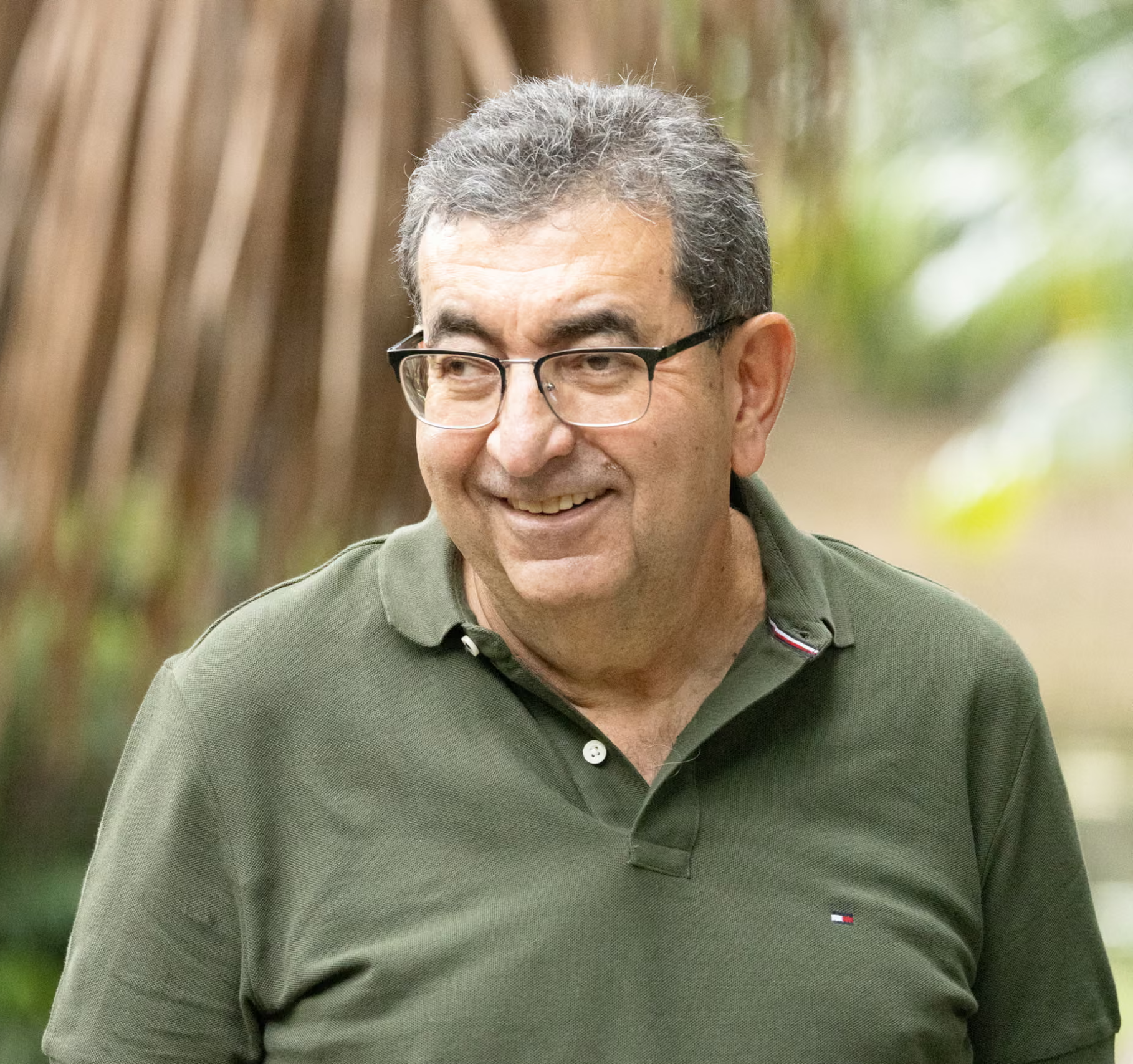
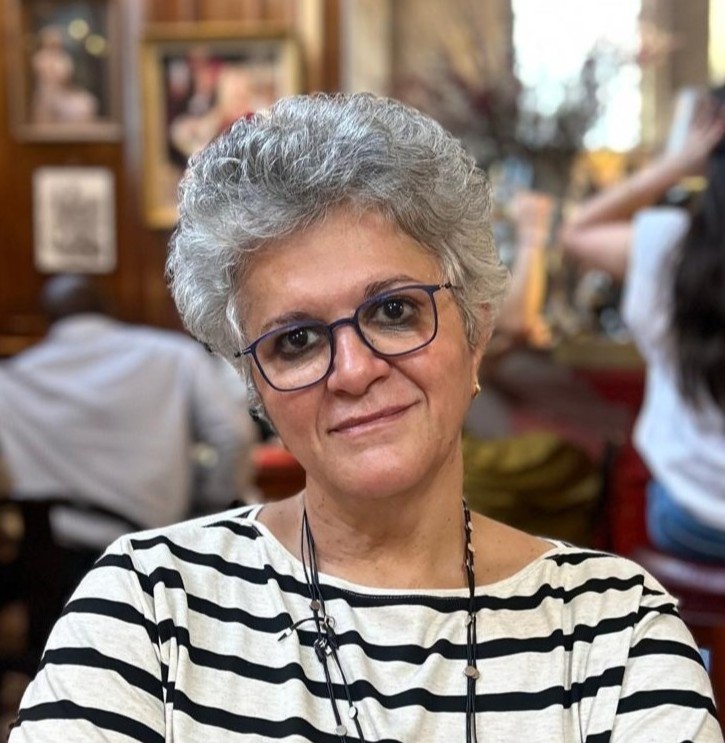
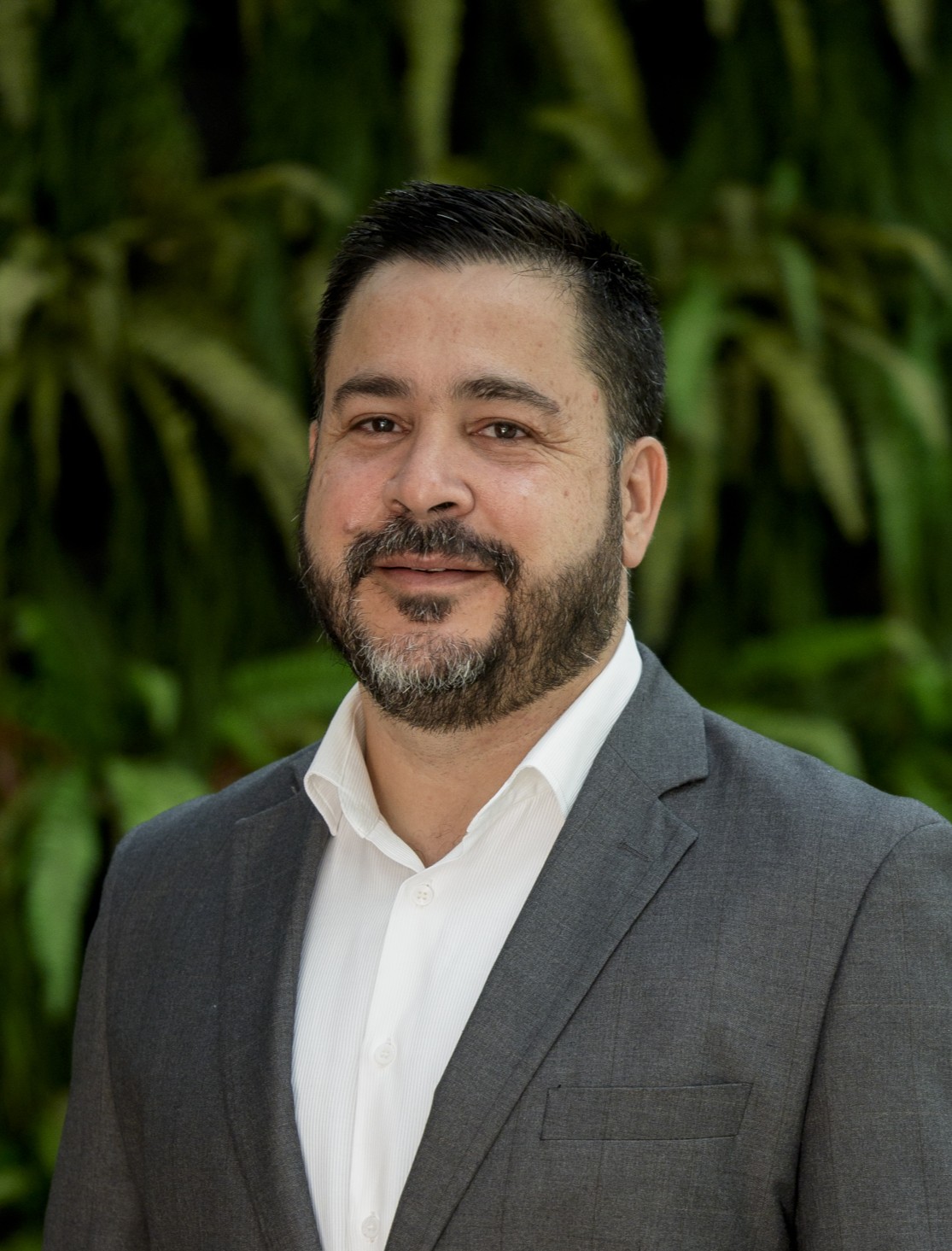
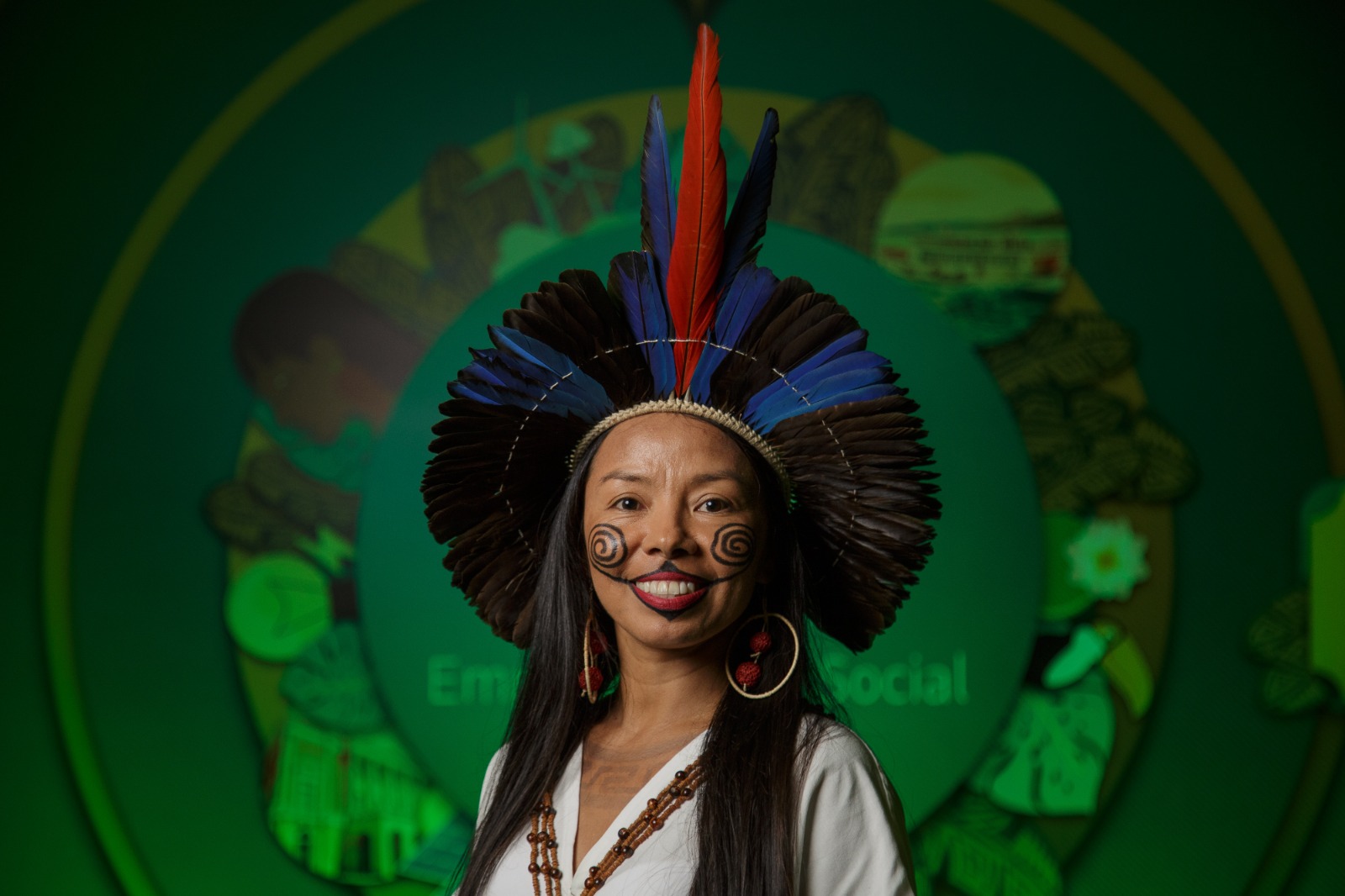
The Arapyaú Fellows Program aims to strengthen the Institute’s capabilities by mobilizing networks, generating and sharing knowledge, and supporting leadership.
With diverse backgrounds and unique experiences, the fellows bring their expertise and practical insights to Arapyaú and its partner networks, while also enhancing their leadership within these spaces.
Contemporary challenges demand new ways of operating—more connected, collaborative, and systemic. The program aims to:
1) Strengthen leadership networks in Brazil; 2) Expand the capacity for articulation on strategic issues for the country's development; 3) Contribute to broadening dialogues and the joint construction of knowledge to boost Brazil's strategic agendas.
Instituto Arapyaú fellows contribute through participation in dialogues, knowledge production, and the
building of strategic agendas.
The program is aimed at leaders with consolidated trajectories and the capacity to influence in their fields of activity.
Diversity of perspectives — geographical, sectorial, and transactional — is a core principle of the program.
Our
fellows
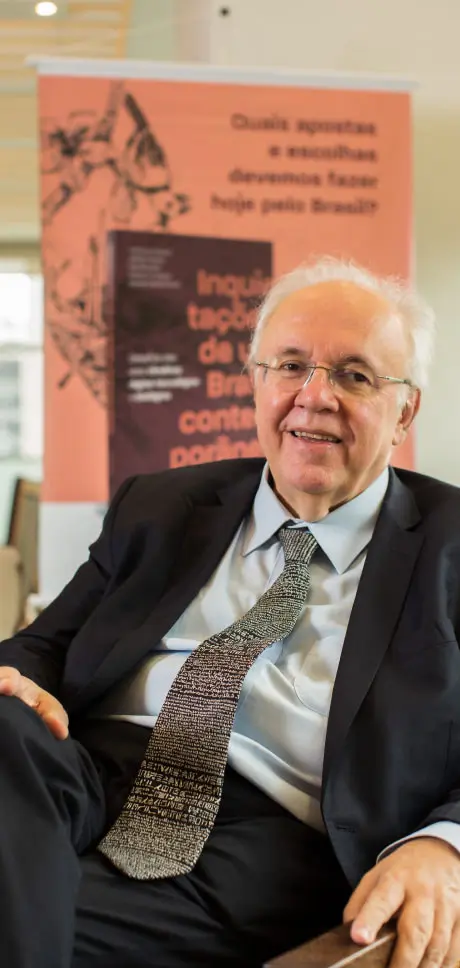
Adnan Demachki
in memoriam
Lawyer and consultant. He served two terms as mayor of Paragominas (PA) and as Secretary of Economic Development for the state of Pará. Co-founder of the Paragominas Chapter of the Brazilian Bar Association (OAB) and the Amazon Entrepreneurship Center. He has worked on public policies focused on sustainable development in the Amazon.
Izabella Teixeira
Co-chair of the UN Environment International Panel on Natural Resources, chair of Ambipar’s Global Sustainability Committee, and member of the Board of the Brazilian Development Bank (BNDES). International advisory board member of the Brazilian Center for International Relations (CEBRI). She served as Minister of the Environment from 2010 to 2016.
Fernando Sampaio
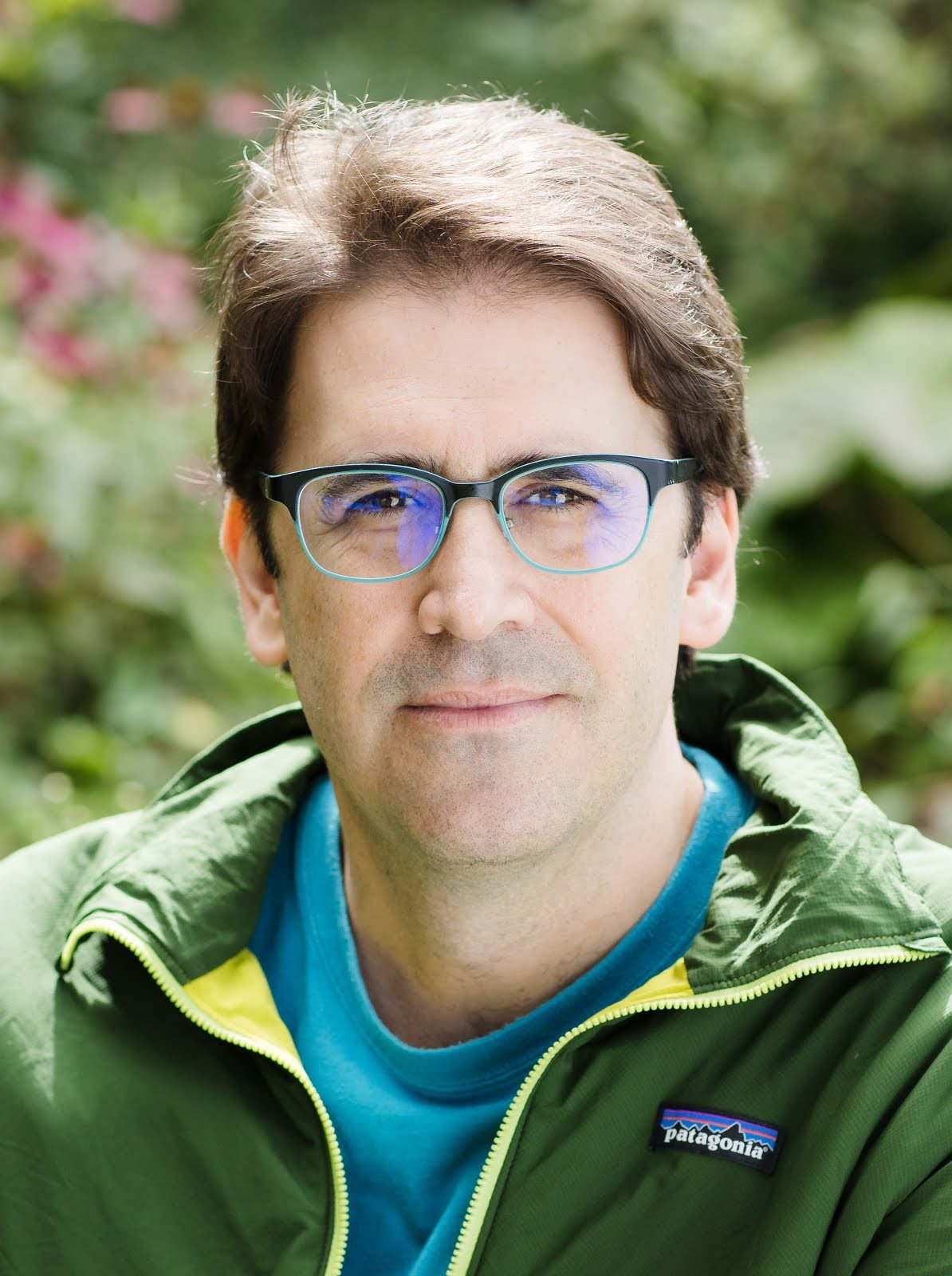
Executive Secretary of the Agriculture and Climate Intelligence Network. He also serves as a member of the Advisory Committee of the Tropical Forest Alliance. He served as Executive Director of the Brazilian Beef Exporters Association (2011-2016) and as Director of Sustainability (2023 – 2025). Served as Executive Director of the “Produce, Conserve, Include” Strategy, and also was a co-facilitator on the Brazil Climate, Forests, and Agriculture Coalition.
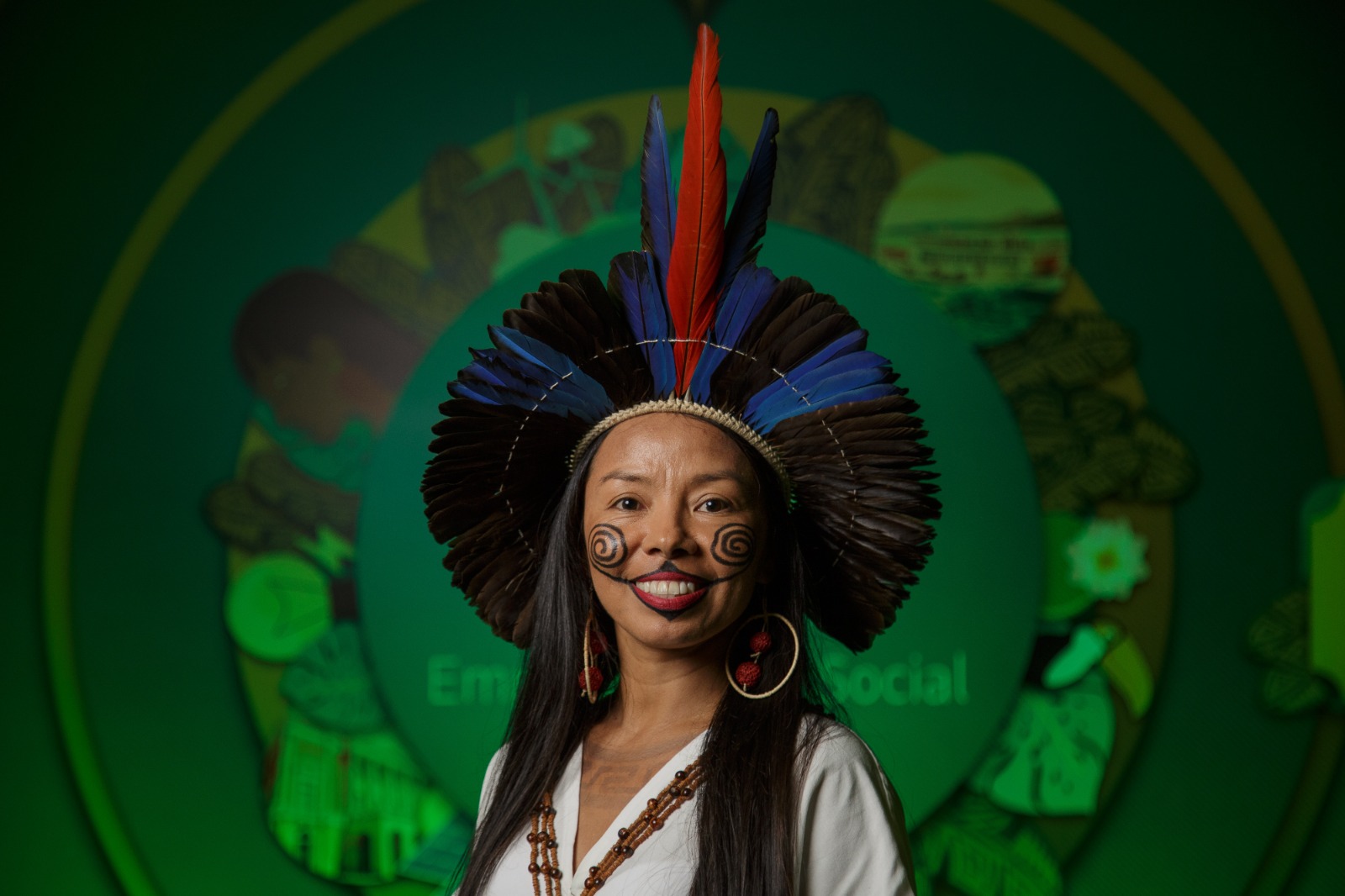
Executive Director of the Witoto Institute, educator, climate activist, Indigenous speaker, political leader and social entrepreneur.
*Due to her candidacy for public office and in accordance with one of the eligibility criteria for the Fellows Programme, it has been decided that she will not continue her participation in the current cycle.
Adnan Demachki
Lawyer specializing in Sustainable Economic Development, public policy consultant, and former mayor of Paragominas, recognized for innovative management.
Andréia Coutinho Louback
Journalist and Executive Director of the Brazilian Center for Climate Justice
Izabella Teixeira
Co-chair of the UN International Resource Panel, Chair of the Global Sustainability Committee at Ambipar, and member of the Board of the Brazilian National Bank for Economic and Social Development (BNDES).
Mariano Cenamo
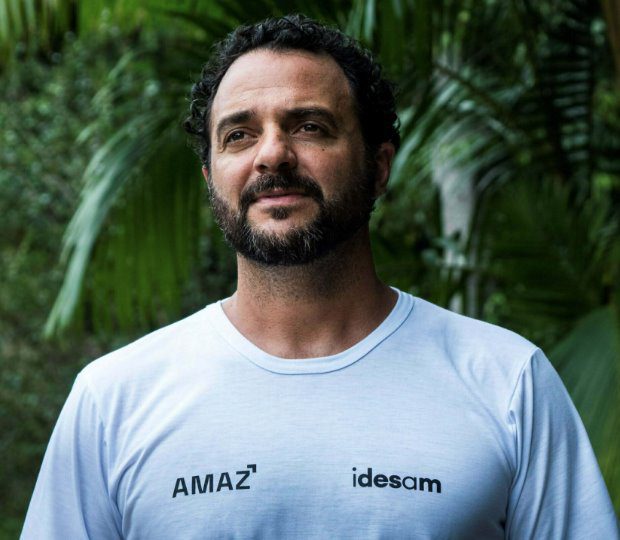
Social Entrepreneur, Co-founder of Idesam, and CEO of AMAZ Impact Accelerator.
Rodrigo Teles
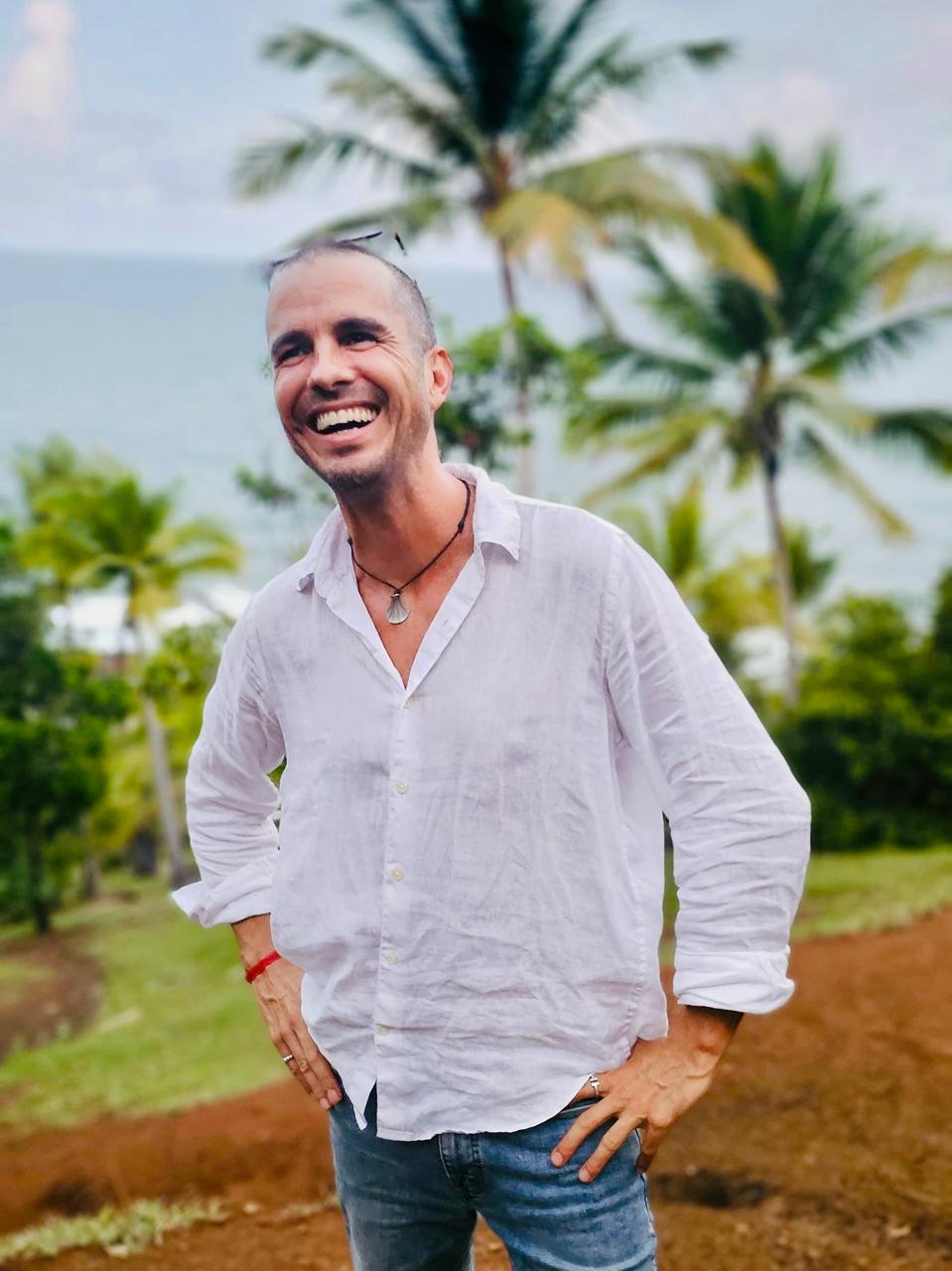
Social entrepreneur and a complex systems architect with over two decades advancing systemic change.
He lives in southern Bahia with his wife, Letícia, and their four sons—Pedro, Lucas, Beto, and Jorge.
Tasso Azevedo
Forestry engineer, consultant, and social entrepreneur in sustainability, forestry, and climate. General Coordinator of the MapBiomas Network and facilitator of the Conexão Povos da Floresta project.
*Tasso concluded his fellowship at Arapyaú in July 2024.
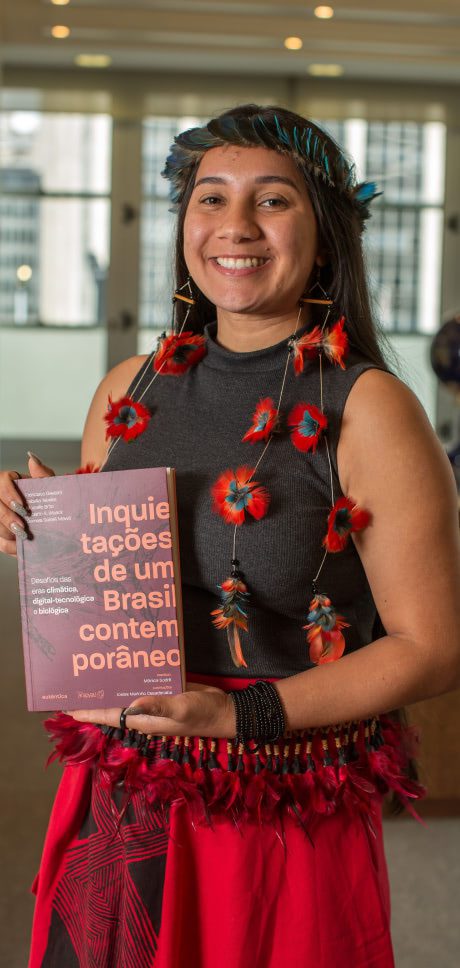
Vanda Witoto
Executive Director of the Instituto Witoto, educator, climate activist, Indigenous speaker, political leader, and social entrepreneur.
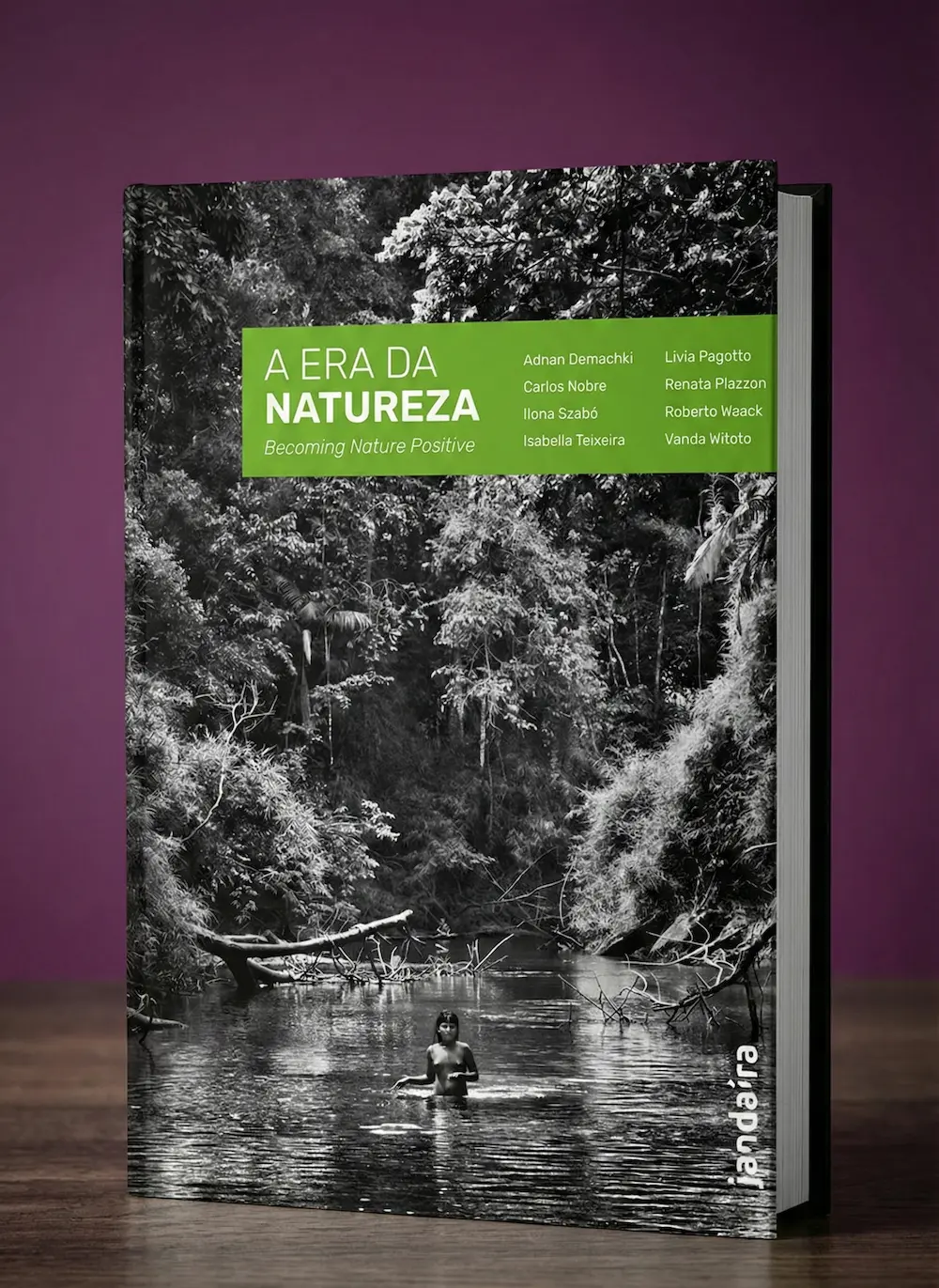
The Age of Nature
This Brazilian edition of Becoming Nature Positive brings together voices from science, politics, economics, indigenous peoples, and philanthropy, including previously unpublished contributions from Arapyaú fellows and guests, in a vibrant dialogue about possible futures. The book compiles 16 articles that explore new ways of relating to the planet, showing nature as the foundation for just, safe, and sustainable development.
Professor at FGV. Former General Coordinator of UNDP in Brazil, Project Manager at the State Secretariat for Labor and Social Action in Minas Gerais, Executive Secretary, Deputy Executive Secretary, and Secretary of Management at the Ministry of Planning (MP), and Executive Secretary at the Ministry of the Environment (MMA). Currently, he serves as the Extraordinary Secretary for State Transformation at the Ministry of Management and Innovation in Public Services (MGI).
Izabella Teixeira
Co-chair of the UN International Resource Panel, Chair of the Global Sustainability Committee at Ambipar, and member of the Board of the Brazilian National Bank for Economic and Social Development (BNDES).
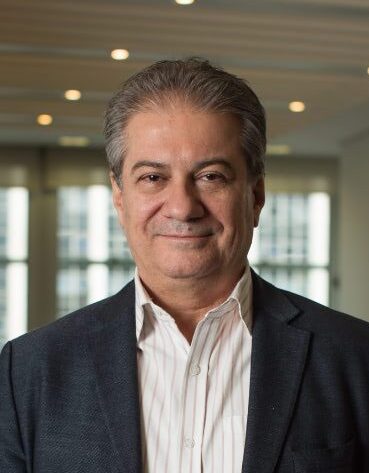
Marcello Brito
Executive Secretary of the Legal Amazon Consortium, member of the IPAM Board, and the Tropical Forest Alliance.
Samela Sateré Mawé
Indígena do povo Sateré Mawé, estudante de Biologia na Universidade do Estado do Amazonas, ativista ambiental, jovem comunicadora na Articulação dos Povos Indígenas do Brasil (Apib) @apiboficial, e da ANMIGA- Articulação Nacional das Mulheres Indígenas Guerreiras da Ancestralidade.
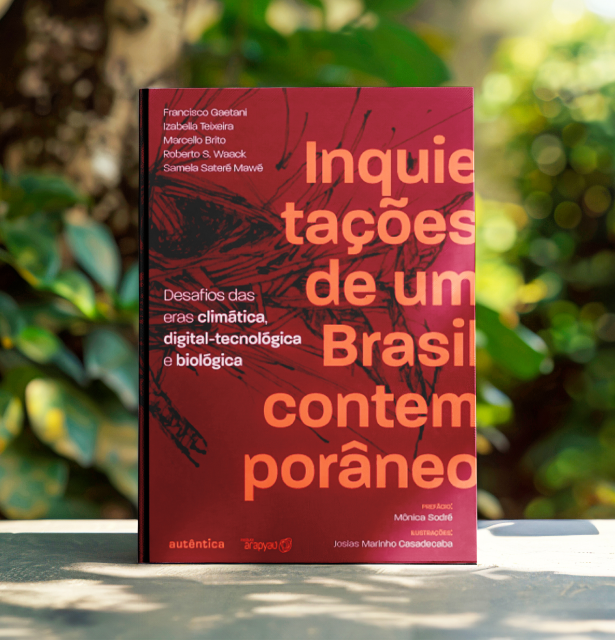
Desafio das Eras Climática, Digital-tecnológica e Biológica
Brazil and its Perspectives on The Climate, Digital-Technological and Biological Ages
The work was born from a year of conversations among members of the Arapyaú Institute Fellows Program. Topics covered in the book include environmental and climate imbalances, political tensions and global uncertainties, the need for modernization of the Brazilian state, strategic agendas involving food production, the appreciation of biodiversity with social inclusion, and the leadership of Indigenous peoples.
“We are living through a potentially disruptive crisis with nature that will demand a shift in mindset, in our lifestyles, and in the way we promote development and handle freedoms. Therefore, we are not talking about changes in attitude for the future, but for the present.”
Izabella Teixeira
“By reforesting our minds, we will understand the importance of the immaterial, the complexity, and the simplicity of what it means to be and belong.”
Samela Sateré-Mawé
“We know where we are starting from, and we have an intuition about where we want to go. We are in transition, and this is a point that is still rarely discussed.”
Marcello Brito
“The new is here, but it is struggling to emerge. Sometimes we need to shuffle the cards and deal them again, so we can change positions, ideas, and open ourselves to different things.”
Francisco Gaetani
“The discussions among the fellows open new horizons for us to tackle environmental and social challenges in innovative ways.”
Adnan Demachki
“Being a fellow is an opportunity to build bridges between local entrepreneurs and organizations working in conservation and forest restoration chains, especially within such a strong and diverse network as the one Arapyaú has established.”
Mariano Cenamo
“Being part of this building process, as an activist and Indigenous leader, is very important for me and my people. It means amplifying the voices of Indigenous peoples. Participating in this institution is about echoing our struggles and exploring how these efforts can bring attention to our communities.”
Vanda Witoto
“My expectation for this fellowship is to show how all of Arapyaú’s values – collaboration, innovation, interdependence, impact management, and entrepreneurship for sustainability – can become even more powerful when viewed through the lenses of gender, race, class, and territory.”
Andréia Coutinho Louback
“The first thing is to understand that no one solves this alone. Not the government, not the private sector, nor civil society. I think that is the great power of the networks that Arapyaú fosters: the connection between different actors to seek solutions together.”